Source Recyclable Cardboard Chocolate Gift Box for Food, Cosmetics, Apparel
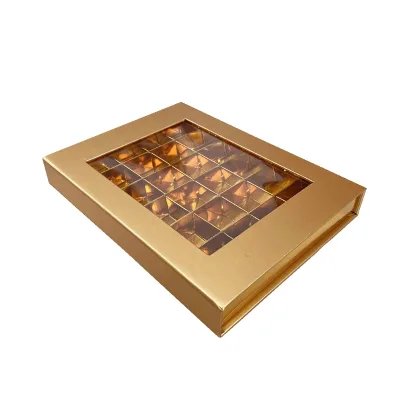
Find 30 listings for the recyclable cardboard chocolate gift box suitable for food, cosmetics, and apparel. Buyers can compare specifications like paper type, printing methods, and customization options from suppliers in China.
Key considerations
Products List





Comprehensive Sourcing Guide
Recyclable Cardboard Chocolate Gift Box Sourcing Guide
Sourcing recyclable cardboard chocolate gift boxes requires a careful balance between aesthetic appeal, structural integrity, and environmental compliance. Buyers must navigate a market where "recyclable" is a common marketing term, yet the actual material composition and end-of-life processing capabilities vary significantly by supplier. This guide provides evidence-based procurement strategies to help buyers identify reliable suppliers, verify technical specifications, and mitigate risks associated with food-contact packaging. By focusing on verified attributes and standard industry practices, purchasers can ensure that their packaging solutions meet both brand identity goals and regulatory requirements.
The following sections detail the critical aspects of sourcing these products, from understanding observed listing signals to establishing long-term quality control measures. Each section is designed to provide actionable advice for procurement professionals, focusing on verification steps and decision-making criteria rather than generic descriptions. The goal is to empower buyers with the knowledge needed to make informed decisions that align with their sustainability commitments and operational needs.
Product Scope and Observed Listing Signals
The observed market for recyclable cardboard chocolate gift boxes reveals a diverse range of product configurations, with prices typically ranging from $0.10 to $50.00 per unit, depending on complexity and order volume. Minimum Order Quantities (MOQs) generally fall between 100 and 5,000 units, reflecting the custom nature of many packaging solutions. Buyers should note that while some listings offer low MOQs for sampling or small batches, larger volumes often unlock better pricing and more consistent production quality. The wide price range indicates significant variation in material quality, printing techniques, and structural design, necessitating careful evaluation of each quote.
Product attributes observed in listings include various paper types such as ivory board, kraft paper, and art paper, with shapes ranging from square boxes to irregular designs. Features like portability, eco-friendliness, and recyclability are commonly highlighted, but buyers must verify these claims through specific material certifications and supplier documentation. Some products are described as having heat-sealed layers or rigid kraft construction, while others feature magnet covers or sliding drawer mechanisms. These structural differences impact both the user experience and the recyclability of the final product, making it essential to align packaging design with end-user expectations and waste management infrastructure.
Technical Specifications to Verify
Verifying technical specifications is crucial to ensuring that the packaging meets functional requirements for chocolate storage and transport. Key attributes to confirm include the paper type, such as ivory board or cardboard, and the printing handling methods, which may include stamping, hot stamping, embossing, or UV coating. Buyers should request detailed specifications for the lid material, which can vary from paper to tin, PVC, or PET, as these materials have different recyclability profiles. Additionally, the layered structure, whether heat-sealed or otherwise, should be clearly defined to ensure it does not compromise the recyclability of the primary paper component.
Dimensional accuracy and structural integrity are also critical, with standard sizes like 300x200x120mm being common, though custom sizes are widely available. Buyers should verify the weight of the packaging, which is often less than 0.5 kg, to ensure it does not add excessive shipping costs. The printing page configuration, whether two-sided or single-sided, and the artwork format requirements, such as PDF, AI, or Corel Draw, should be confirmed early in the sourcing process. Furthermore, the surface finish, including options for custom logos and fashion designs, must be aligned with brand guidelines to maintain visual consistency across product lines.
Compliance and Safety Documentation
Compliance with food safety standards is paramount when sourcing packaging for chocolate products. Buyers must ensure that the paper materials used are food-grade and free from harmful chemicals that could migrate into the product. While specific certifications like FSC or ISO14001 are mentioned in some contexts, buyers should verify the actual certification status and scope with the supplier, as these are not universally applied to all products. Documentation should include material safety data sheets (MSDS) and compliance certificates that confirm the packaging meets relevant food-contact regulations in the target market.
Environmental claims, such as "biodegradable" or "recyclable," must be substantiated with credible evidence. Buyers should request third-party test results or certifications that validate these claims, as misleading environmental statements can lead to regulatory penalties and brand damage. It is also important to verify the recyclability of any additional components, such as magnets, plastic windows, or adhesive layers, which may hinder the recycling process. Clear communication with suppliers regarding waste management practices and end-of-life disposal options is essential to ensure that the packaging aligns with sustainability goals.
Cost Drivers and Commercial Terms
Several factors influence the cost of recyclable cardboard chocolate gift boxes, including material selection, printing complexity, and order volume. The use of premium paper types, such as ivory board, and advanced printing techniques like hot stamping or embossing can increase costs. Buyers should also consider the impact of custom designs and logo printing, which may require additional setup fees or minimum order quantities. Understanding these cost drivers allows buyers to make informed trade-offs between aesthetic appeal and budget constraints.
Commercial terms, including lead times and payment conditions, vary among suppliers. Some suppliers offer quick sample lead times, such as three days, which can be beneficial for rapid prototyping and approval processes. However, production lead times for larger orders may be longer, requiring careful planning to avoid stockouts. Buyers should negotiate clear terms regarding packaging methods, such as air or sea freight, and standard packaging practices to ensure products arrive in good condition. Transparent communication about costs and timelines helps build trust and facilitates smoother procurement operations.
Supplier Qualification and Quality Control
Supplier qualification is a critical step in ensuring the reliability and consistency of packaging supplies. Buyers should assess suppliers based on their production capabilities, quality control processes, and commitment to sustainability. Requesting samples and conducting physical inspections can help verify the quality of materials and construction. It is also important to evaluate the supplier's ability to handle custom orders and provide consistent quality across batches. Suppliers with a proven track record in food packaging are often preferable, as they are more likely to adhere to strict hygiene and safety standards.
Quality control measures should be established early in the sourcing relationship, including regular inspections and audits. Buyers should define clear acceptance criteria for product quality, including dimensions, print accuracy, and structural integrity. Implementing a robust quality control plan helps identify and address issues before they impact production or customer satisfaction. Additionally, maintaining open communication with suppliers regarding any changes in materials or processes ensures that quality standards are consistently met.
Long-Term Procurement Checks
Long-term procurement success depends on continuous monitoring and evaluation of supplier performance. Buyers should regularly review supplier metrics, such as on-time delivery rates, defect rates, and responsiveness to issues. Establishing key performance indicators (KPIs) helps track progress and identify areas for improvement. Regular audits and site visits can provide valuable insights into supplier operations and help ensure ongoing compliance with quality and sustainability standards.
Building a resilient supply chain involves diversifying suppliers and maintaining strong relationships with key partners. Buyers should periodically reassess their supplier base to ensure it aligns with evolving business needs and market conditions. Staying informed about industry trends and regulatory changes helps buyers anticipate potential challenges and adapt their sourcing strategies accordingly. By focusing on long-term partnerships and continuous improvement, buyers can secure a reliable supply of high-quality, recyclable cardboard chocolate gift boxes that support their brand and sustainability goals.
FAQs
What materials are used for the recyclable cardboard chocolate gift box?
The box is primarily made from paper, specifically ivory board or cardboard, with options for kraft paper. Some variations include lids made from paper, tin, PVC, PET, or OPP materials to ensure durability and eco-friendly properties.
Can I order custom sizes for the chocolate gift box?
Yes, customization is available with options for custom sizes rather than fixed dimensions. The standard model offers specific measurements, but buyers can request tailored dimensions to fit unique product requirements or branding needs.
What is the lead time for samples of this packaging?
The lead time for samples is three days on sample. This allows buyers to quickly evaluate the quality, printing, and structural integrity before committing to a larger bulk order for their chocolate or food products.
Which printing methods are applied to the chocolate box?
The box features offset printing, flexo printing, and hot stamping for surface handling. These techniques allow for detailed two-sided printing and logo customization, ensuring the packaging looks professional and attractive for gifting purposes.
How is the box designed to be portable and eco-friendly?
The design includes features like being portable, recyclable, and made from recycled materials. It is constructed to be lightweight, weighing less than 0.5 kg, and often uses heat-sealed layers for secure and sustainable packaging.
What shapes are available for the cardboard chocolate gift box?
Available shapes include square boxes and irregular shapes to suit different product aesthetics. The rigid construction often utilizes kraft paper, providing a sturdy structure that protects the contents while offering a premium unboxing experience.
Can the box be used for industries other than food?
Yes, the application extends to electronics, apparel, cosmetics, and household items. While designed for food, its versatile structure supports arts and crafts, jewelry, greeting cards, and health care products as well.